


Mongolia’s Sanitation
The Silent Crisis: Soil Pollution and the Future of Mongolia’s Sanitation World Toilet Day: "Nature is Calling"
6/20/20182 min read
The Silent Crisis: Soil Pollution and the Future of Mongolia’s Sanitation
While Ulaanbaatar has long struggled with air pollution, a second environmental crisis is unfolding beneath the surface: soil and water contamination. According to the Singaporean newspaper The Straits Times, Ulaanbaatar ranked as the second most polluted city in the world regarding air quality. However, experts warn that without immediate improvements to sanitation in ger districts, the city will soon be defined by its soil toxicity.
World Toilet Day: "Nature is Calling"
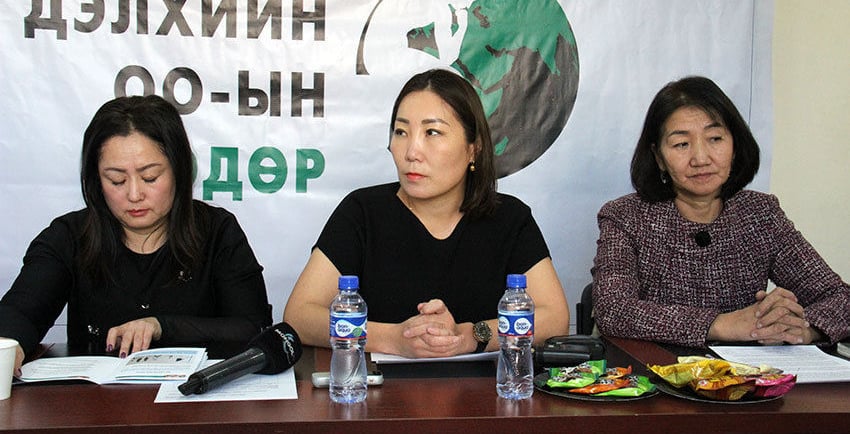
Every year on November 19, the United Nations observes World Toilet Day to advocate for improved sanitation. In 2018, the Mongolian Ministry of Health (MoH) and the National Center for Public Health (NCPH) organized a national campaign under the theme "Nature is Calling." The event aligned with Sustainable Development Goal 6 (SDG 6), which aims to ensure equitable access to sanitation and hygiene and end open defecation by 2030.
The Harsh Reality: Data from Dr. S. Gantuya
During the press conference, Dr. S. Gantuya presented alarming statistics regarding the current state of sanitation in Ulaanbaatar:
Direct Soil Absorption: A 2013 inspection revealed that 50.2% of pit latrines in ger districts have no lining, allowing waste to seep directly into the soil.
Inadequate Maintenance: Only 14% of households regularly pump out and dispose of waste safely.
Wastewater Mismanagement: 45.4% of households pour their greywater (wastewater) directly into their pit latrines, accelerating the spread of contaminants.
Standard Failure: Over 90% of the 180,000+ households in Ulaanbaatar’s ger districts use simple, sub-standard pit latrines that do not meet health requirements.
The Economic and Health Impact
Sanitation is not just an environmental issue; it is a massive economic burden. Research presented by the WHO and UNICEF indicates:
Investment Return: Every $1 invested in sanitation saves $5.50 to $8 in healthcare costs.
Disease Prevention: Improving sanitation facilities can reduce diarrheal diseases by 26% and associated mortality by 65%.
Child Safety: Officials emphasized that flies and insects traveling from human waste to food are a primary reason why diarrhea rates among children under five remain high in Mongolia.
The 2030 Roadmap: Policy and Standards
Sh. Urantsetseg (Specialist at the Ministry of Health) and Dr. S. Gantuya outlined the national targets for a "comfortable" future:
Target 2020: Reach 40% of the population with improved sanitation.
Target 2025: Reach 50% coverage.
Target 2030: Reach 60% coverage.
The key to this transition is the National Standard MNS 5924:2015 (Latrines and Greywater Pits). This standard provides the blueprints for off-grid households and businesses to build toilets that protect the environment.
Educational Initiatives
To ensure these changes last, Dr. Gantuya highlighted ongoing efforts to build "hygiene habits" among the youth, including art and essay competitions for school and university students. "We are moving beyond just talking; we are implementing pilot projects in Bayanzurkh district to demonstrate best practices in preventing open defecation," she noted.


Contact
Email : gtuyas.2009@gmail.com
© 2025. All rights reserved.
PHONE: 976-9904-4081
ADDRESS: 35G, HUD,Ulaanbaatar
Reach us
Customer service is available from Monday to Friday from 8:00 AM to 6:00 PM