


Risk of Another Measles Outbreak
In the first seven months of the year, although the number of births slightly decreased (by about 3%), child mortality rates rose sharply. Infant mortality (under age 1) increased by 23%, and under-five mortality rose by 24%. The National Statistics Office identifies measles and respiratory system diseases as the primary causes.
7/20/20161 min read
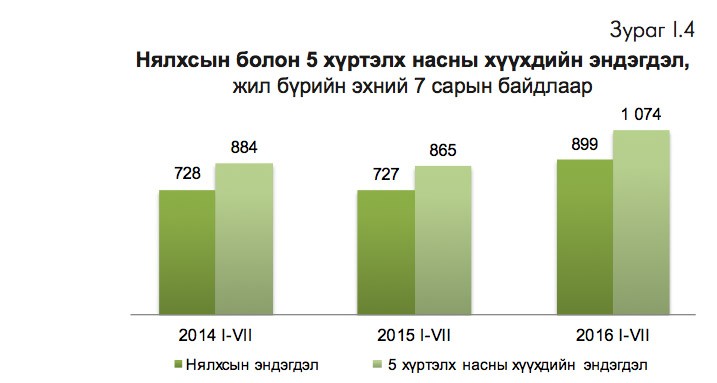
DR.S. Gantuya: There is a Risk of Another Measles Outbreak This Winter
Key Interview Points with S. Gantuya:
Causes of High Mortality: Gantuya explains that the surge is due to a combination of factors. Last winter, outbreaks of influenza and flu-like illnesses coincided with a major measles outbreak. Additionally, non-disease factors like accidents (drowning, car accidents during summer) have contributed significantly.
Regional Hotspots: Mortality rates are highest in Bayan-Olgii, Khovsgol, and Ovorkhangai provinces.
In Bayan-Olgii, a high number of deaths (18 out of 43) were due to congenital malformations, which the Ministry is currently researching to find the underlying cause.
The Measles Risk: Gantuya warns that the measles outbreak is likely to continue into the coming winter because such outbreaks typically last 2–3 years. The last major cycle was in 2009–2010.
Workforce Challenges: There is a shortage of doctors and nurses in rural areas. While the Ministry has established housing for doctors in some soums (with ADB funding) to encourage young graduates to move to the countryside, many still prefer to stay in the city. The Ministry is working toward building housing in all 353 soums.
Budget Shortages: The measles outbreak exhausted many hospitals' six-month medicine budgets within the first quarter. While the government provided an additional 200 million MNT in June, many provincial hospitals are still in debt and requesting more funds.
Preventative Measures: The Ministry has updated the clinical guidelines for treating measles, adding instructions for managing complicated cases. They are also focusing on training new doctors and increasing community awareness about child safety and early pregnancy monitoring.
Financial Needs
To prevent a shortage of medicine specifically for treating children aged 0–5, an estimated 371 million MNT is required for ten essential medicines at the primary care level (family and soum clinics) alone.
Contact
Email : gtuyas.2009@gmail.com
© 2025. All rights reserved.
PHONE: 976-9904-4081
ADDRESS: 35G, HUD,Ulaanbaatar
Reach us
Customer service is available from Monday to Friday from 8:00 AM to 6:00 PM